Coordinating Multiple Casino Accounts for Overlapping Reward Structures
Frankie Hansen · Aug 4, 2026
Coordinating Multiple Casino Accounts for Overlapping Reward Structures
Operators in regulated markets maintain separate loyalty programs that award points for play volume while also issuing time-limited deposit matches and free spin packages, and observers note that some account holders attempt to time deposits and wagers so that one activity satisfies requirements from two or more promotions at once. Data from the Nevada Gaming Control Board shows that total slot handle exceeded 12 billion dollars in the first half of 2025, while concurrent loyalty sign-ups rose by 9 percent, indicating that overlapping incentive layers continue to expand across both land-based and online channels.
How Casino Reward Systems Intersect
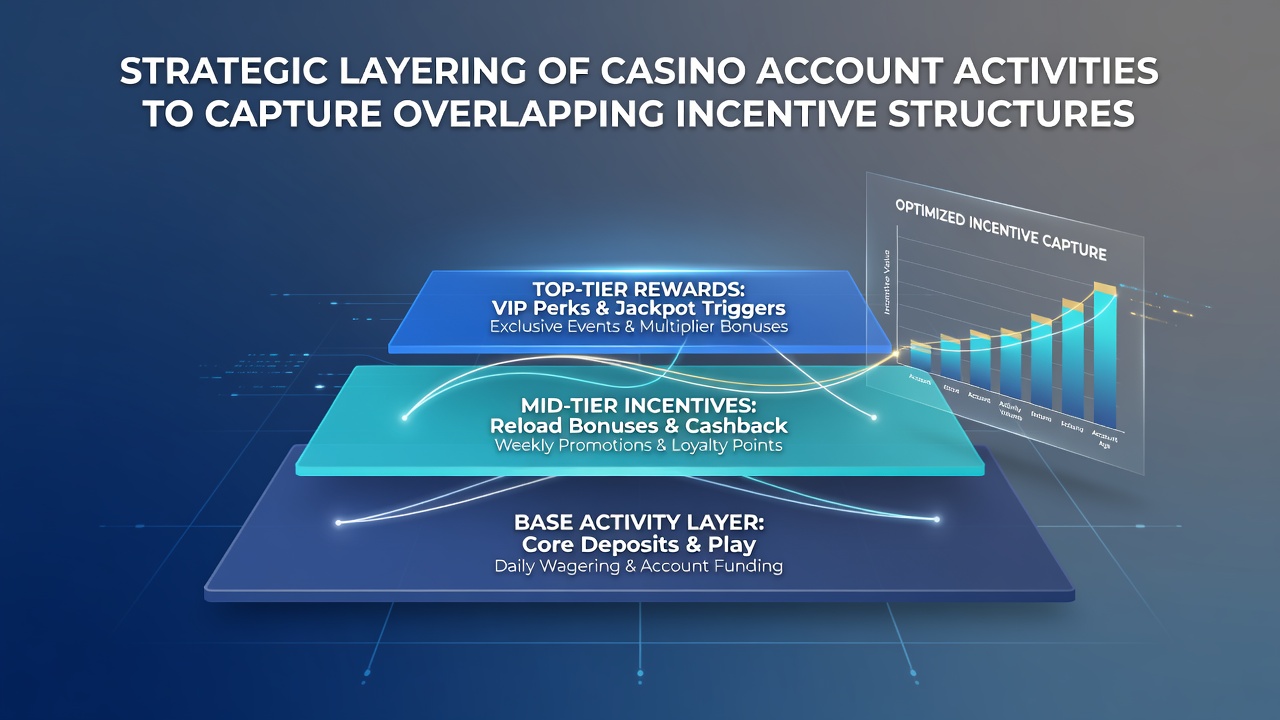
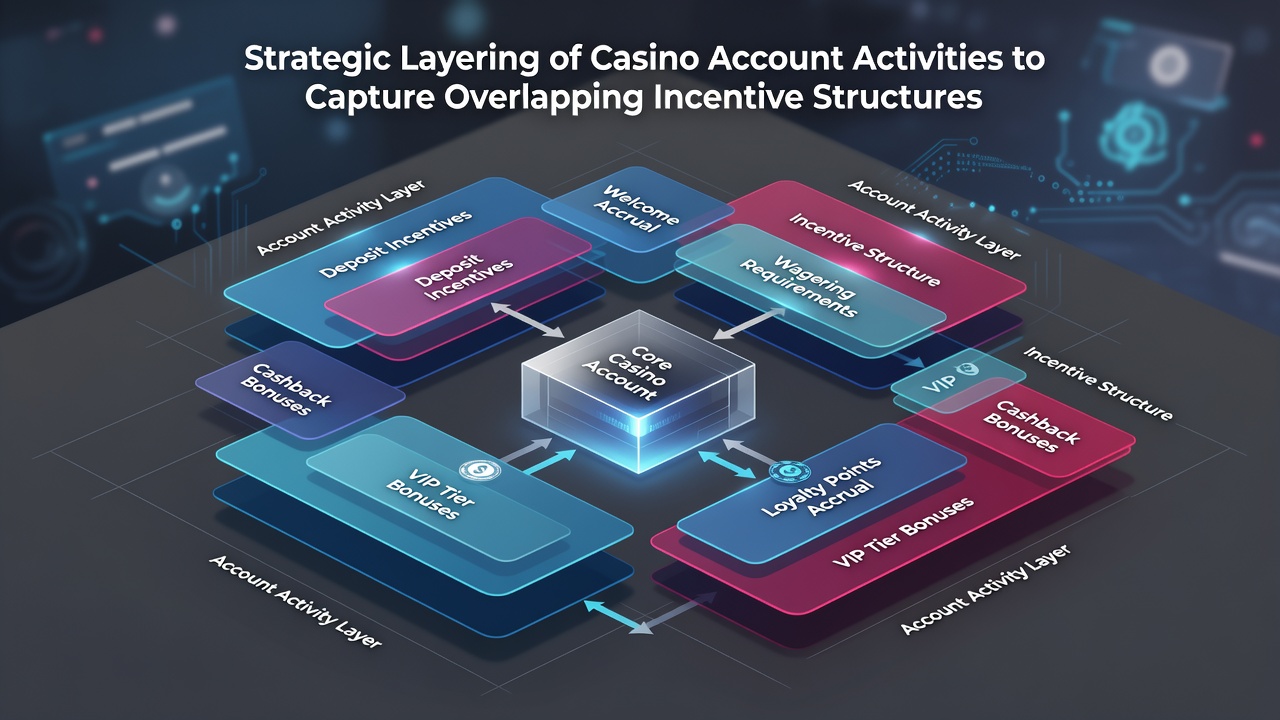
Most major operators run at least three distinct incentive layers: a base loyalty tier that converts wager amounts into redeemable points, a separate bonus wallet funded by deposit matches that carries its own play-through conditions, and periodic reload offers tied to calendar events. Researchers at the University of Nevada Reno documented that 62 percent of surveyed players in Clark County maintained accounts with two or more operators during 2024, and those accounts often carried staggered expiration dates for bonus credits. Because each program calculates contribution rates differently, an even-money roulette wager might fulfill 100 percent of a loyalty requirement yet only 20 percent of a bonus play-through target, creating opportunities for activity sequencing that satisfies both metrics within the same session.
Account Layering Patterns Observed in 2025 Data
Industry reports compiled by the Australian Gambling Research Centre indicate that multi-account holders frequently alternate between two operators on alternating weeks, allowing each loyalty meter to reach the next tier before the other resets. In August 2026 the Victorian Commission for Gambling and Liquor Regulation will introduce new reporting rules that require operators to flag accounts showing simultaneous high-volume activity across affiliated brands, yet analysts expect the change to affect fewer than 4 percent of total accounts because most layering remains within single-brand ecosystems. Figures released by the European Gaming and Betting Association reveal that cross-brand partnerships now cover 31 percent of the European online market, which means a single deposit can sometimes trigger matching bonuses from two distinct platforms when those platforms share a common backend provider.
Regulatory Boundaries That Shape Layering Practices
Each jurisdiction sets its own rules on account duplication and bonus stacking, and the Nevada Gaming Control Board requires operators to maintain unique identifiers that prevent one individual from holding more than one active account per brand. In contrast, several Canadian provinces permit players to maintain accounts with multiple operators provided that each account passes independent verification checks. The European Gaming and Betting Association published a 2025 white paper noting that 78 percent of member operators now employ device fingerprinting and IP clustering to detect coordinated activity across accounts, yet the same report states that outright prohibition of multi-account play remains rare because such activity often stays within legal limits when each account belongs to a verified adult resident.
Timing Mechanics That Align Incentive Windows
Promotional calendars released by operators typically list start and end dates for reload bonuses that range from 48 hours to 14 days, while loyalty point accrual continues on a rolling monthly or quarterly basis. Account holders who track these calendars can schedule deposits so that a single transaction satisfies both a short-term reload match and the monthly loyalty threshold, according to transaction logs analyzed by the University of Nevada Reno. Because most platforms credit loyalty points immediately upon wager settlement but release bonus funds only after a deposit clears, sequencing a deposit on the final day of a loyalty period and the first day of a new reload window allows the same funds to count toward both structures without violating any single operator's terms.
Technical Tools Operators Use to Monitor Overlap
Backend systems employed by larger groups now include real-time dashboards that flag when wager patterns on one account mirror those on another account linked to the same payment method or device. The Victorian Commission for Gambling and Liquor Regulation requires operators to submit monthly summaries of such flags starting in August 2026, yet current data from the European Gaming and Betting Association shows that fewer than 2 percent of flagged accounts result in formal warnings because most instances involve legitimate players rotating between unrelated brands. These monitoring layers reduce the scope for undetected overlap while still permitting account holders to participate in multiple programs when each program operates independently.
Conclusion
Layered account activity across casino platforms continues to evolve alongside regulatory updates and technological monitoring tools, with data from multiple jurisdictions indicating steady growth in multi-program participation. Observers note that the intersection of loyalty tiers, deposit matches, and time-bound reload offers creates measurable overlap opportunities that remain subject to each operator's distinct verification and play-through rules. As new reporting requirements take effect in August 2026 in select markets, the documented patterns suggest that both operators and account holders will adjust sequencing strategies within the boundaries set by local regulators.